
Home Solar Designed Around You
Residential Solar Gold Coast
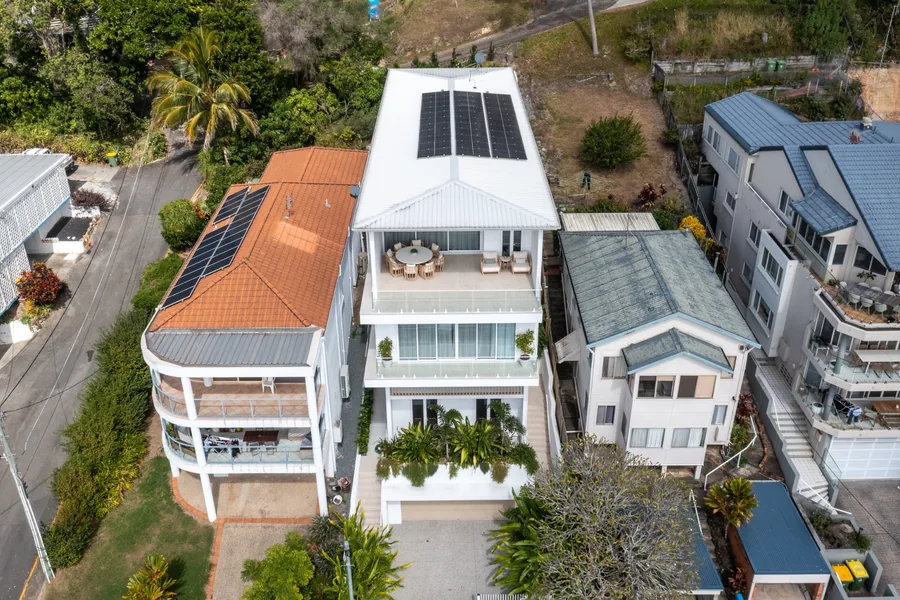
Stored Power designs and installs residential solar systems for homeowners across the Gold Coast, surrounding parts of South East Queensland and selected Northern NSW locations. Every system is planned around the home, its electricity use, available roof space, budget and future energy goals.
A Home Solar System Should Suit the Way You Use Energy
A residential solar system is not simply a set number of panels placed wherever they fit. The most useful system is one designed around when your household uses electricity, how much roof space is available, where shading occurs and whether your future plans may include a battery, electric vehicle, pool or increased daytime energy use.
Stored Power takes a practical, design-led approach. We assess the property and discuss your goals before recommending a suitable combination of solar panels, inverter technology and, where appropriate, battery storage. This helps avoid oversimplified packages that may not match the household's actual needs.
Homeowners who want to understand the complete project process can also review our detailed solar installation service, covering assessment, design, installation, commissioning and handover.
Why Homeowners Install Solar
Residential solar can provide practical financial and energy benefits when the system is designed and used well.
Use More of Your Own Electricity
Solar can reduce the amount of electricity purchased from the grid by supplying part of the home's daytime energy use.
Reduce Exposure to Rising Bills
Generating energy on site can help reduce reliance on retail electricity, although savings vary by household and tariff.
Prepare for Future Energy Needs
A considered design can account for future battery storage, electric vehicle charging or changes in household usage.
Monitor System Performance
Modern inverter and monitoring platforms can help homeowners understand production and identify changes in system performance.
Make Better Use of Roof Space
A well-planned panel layout balances roof constraints, orientation, shading, appearance and expected production.
Add Battery Storage Where Suitable
A battery may help some homes retain more solar energy for later use, depending on consumption, tariffs and system goals.
What We Consider When Designing Residential Solar
A good recommendation starts with the property and household, not a generic package size.
Electricity Usage
Recent electricity bills and daily usage patterns help show how much energy the household uses and when it is consumed.
Roof Layout and Shading
Roof orientation, pitch, usable area, surrounding trees and nearby structures influence panel placement and expected production.
Equipment Compatibility
Panels, inverters, batteries and monitoring systems should be selected as a compatible system rather than as isolated products.
Future Plans
Renovations, electric vehicles, pool equipment, home offices and battery storage may affect the most suitable design.
Residential Solar Options
Stored Power can tailor the system around the household's current position and longer-term goals.
New Home Solar Systems
Complete panel and inverter systems designed for homes installing solar for the first time.
View the installation process →Solar and Battery Systems
Integrated solutions for households considering both solar generation and energy storage.
Explore battery installation →System Upgrade Planning
Assessment of an existing setup where the homeowner is considering replacement, expansion or battery compatibility.
Discuss your current system →Our Residential Solar Process
A clear process helps ensure the recommended system is practical, properly scoped and understood before installation.
1. Initial Discussion
We discuss your electricity use, property, budget, preferred timing and any future plans that may affect the design.
2. Assessment and Design
The roof, switchboard, proposed equipment and system layout are considered before a tailored recommendation is prepared.
3. Clear Proposal
You receive a proposal explaining the recommended system, selected equipment and the work included in the installation.
4. Installation and Handover
The system is installed, commissioned and explained so you understand its operation, monitoring and basic care.
Solar Panels, Inverters and Batteries
Equipment selection should support the system design, property and expected use rather than being chosen by brand name alone.
Solar Panels
Compare panel options from established manufacturers and understand factors such as warranty, efficiency, size and appearance.
Compare solar panels →Solar Inverters
The inverter is central to energy conversion, system monitoring and, in some designs, future battery compatibility.
Explore inverter options →Solar Batteries
Battery options can be assessed against household usage, backup requirements, available space and the existing electrical system.
Compare battery systems →Why Choose Stored Power for Home Solar?
Our role is to help homeowners understand their options and choose a system that suits the property and intended use.
Local Advice
We work across the Gold Coast and surrounding regions and understand the practical considerations of local homes and conditions.
Tailored Design
Recommendations are based on the home, electricity usage and future plans rather than a single standard package.
Quality-Focused Installation
We focus on safe, neat and professional installation supported by clear communication and system handover.
Residential Solar Service Areas
Stored Power services homes across the Gold Coast, nearby South East Queensland communities and selected Northern NSW areas.
Gold Coast
Residential solar design and installation across the wider Gold Coast region.
View all service areas →Central and Southern Gold Coast
Including areas such as Robina, Burleigh Heads, Palm Beach, Currumbin, Varsity Lakes and nearby suburbs.
Solar in Burleigh Heads →Northern NSW
Selected locations across the Tweed and broader Northern NSW service area, subject to project suitability.
Solar in Tweed Heads →Residential Solar FAQs
Answers to common questions from homeowners considering solar or battery storage.
How much solar does my home need?
The right system size depends on your electricity usage, available roof space, roof orientation, daytime consumption and future plans such as adding a battery or electric vehicle. Stored Power reviews these factors before recommending a system.
Can residential solar reduce my electricity bill?
Solar can reduce the amount of electricity a household needs to buy from the grid, especially when more energy is used during daylight hours. Actual savings vary with system performance, household usage and electricity tariffs.
Can I add a battery later?
Often, yes. A system can be designed with future battery storage in mind, although compatibility depends on the inverter, switchboard, available space and the battery selected.
What makes a roof suitable for solar panels?
Suitability depends on usable roof area, orientation, pitch, shading, roof condition and access. A site assessment helps identify the best panel layout and any limitations before installation.
How long does a residential solar installation take?
Installation time varies with system size, roof access and site complexity. Straightforward residential installations are commonly completed efficiently, while more complex sites may require additional time and preparation.
Do you install solar batteries as well as panels?
Yes. Stored Power provides solar battery installation and can discuss available product options where suitable for the property and system design.
Do you service areas outside the Gold Coast?
Stored Power services the Gold Coast, surrounding parts of South East Queensland and selected Northern NSW locations. Contact the team to confirm whether your property is within the current service area.
Request a Residential Solar Quote
Tell us about your property, recent electricity use and future energy plans. We will use that information to discuss a suitable residential solar or battery solution.